

There’s nothing quite like eating food you grew yourself. Starting a home garden might feel like a big project, but with a few basics — sun, soil, water, and the right plants — anyone can grow a thriving garden. Here’s your step-by-step beginner’s guide.
1. Start small and pick a sunny spot
You don’t need a huge yard. A small 4×4-foot bed, a few raised planters, or even pots on a sunny balcony is plenty for your first garden. The key requirement is sunlight: most vegetables and flowers need at least six hours of direct sun each day. Watch your yard for a few days and note which spots stay sunny the longest.
2. Know your soil — and feed it
Healthy soil is the foundation of a healthy garden. Dig up a small handful and squeeze it: good garden soil holds together loosely and crumbles when poked. If yours is heavy clay or very sandy, mix in 2–3 inches of compost before planting. Compost adds nutrients, improves drainage, and feeds the beneficial organisms your plants depend on.
3. Choose easy crops to start with
Begin with plants that germinate quickly and forgive mistakes. These reliable favorites give new gardeners fast, encouraging results:
- Lettuce and salad greens — ready to harvest in as little as 30 days
- Radishes — sprout in days and mature in about a month
- Green beans — vigorous growers that produce generously
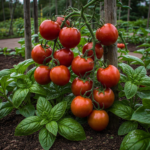
- Tomatoes — the classic homegrown reward; start with seedlings, not seeds
- Herbs — basil, mint, and parsley thrive in pots and small spaces
4. Plant at the right time
Timing matters. Cool-season crops like lettuce, peas, and spinach go in early spring, while heat-lovers like tomatoes, peppers, and basil wait until all danger of frost has passed. Check your seed packets or a local planting calendar — planting at the right time is one of the simplest ways to guarantee success.
5. Water deeply, but not too often
Most gardens need about an inch of water per week. Water deeply so moisture reaches the roots, then let the top inch of soil dry out before watering again. Morning watering is best — it gives leaves time to dry and reduces disease. Mulch helps the soil hold moisture between waterings.
6. Mulch and maintain
Spread 2–3 inches of mulch — straw, shredded leaves, or wood chips — around your plants. Mulch suppresses weeds, keeps soil cool and moist, and gradually enriches the soil as it breaks down. Spend a few minutes each week pulling weeds, checking for pests, and harvesting what’s ripe; small, regular attention beats occasional marathon sessions.
7. Keep learning and enjoy the harvest
Every garden teaches you something. Keep notes on what you planted, when, and how it did — next year’s garden will be even better. And don’t forget the best part: harvest often, share with neighbors, and savor the unbeatable taste of food you grew with your own hands.
Ready to dig in? Grab a trowel, some compost, and a packet of seeds — your home garden adventure starts today.