Foundation Crack Repair in Baton Rouge, LA
Not every foundation crack is a structural problem, but some are. Tell us what you are seeing and a local contractor can look at the crack, work out why it formed and explain how to repair it.
Request a Free Estimate
It takes about a minute. No obligation to hire anyone.
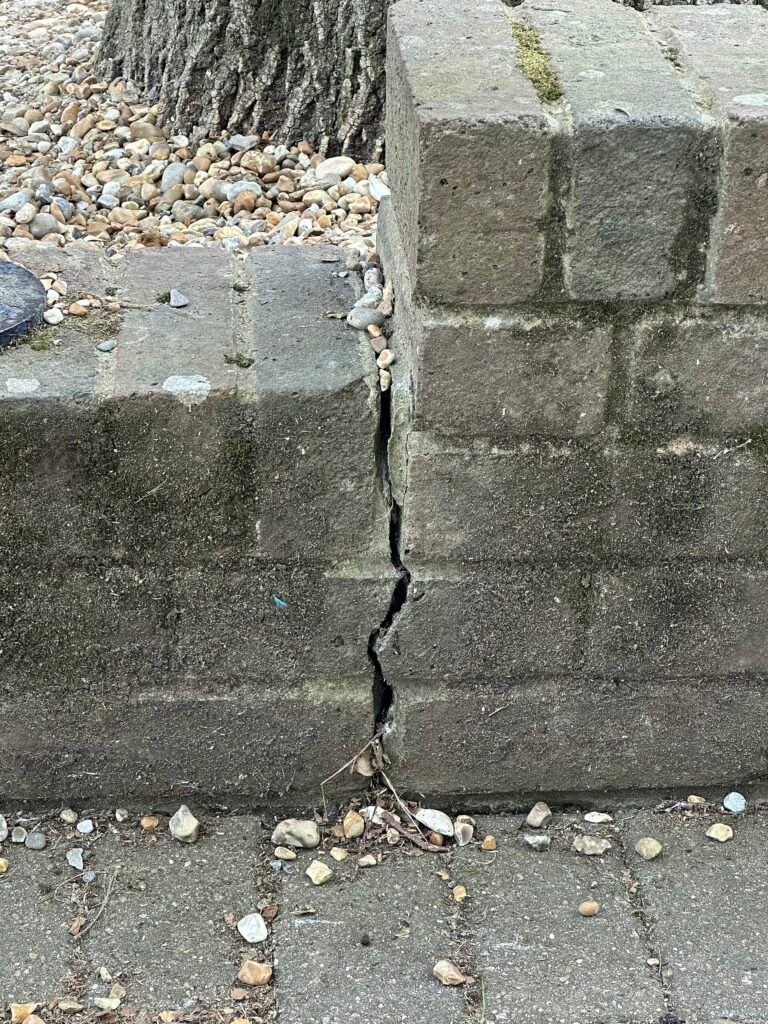
Types of Foundation Cracks
The shape and pattern of a crack give clues about its cause, but only an inspection can confirm what it means.
- Hairline vertical cracks: often shrinkage as concrete cures and usually minor
- Stair-step cracks in brick or block: can point to settling
- Horizontal cracks in walls: can show pressure on the wall
- Diagonal cracks at door and window corners: often linked to movement
- Cracks wider than about a quarter inch or getting wider: worth a prompt inspection
- Cracks where water seeps in after rain
How Foundation Crack Repair Works
Why not wait?
A crack that lets water in can widen with every wet season and invite moisture into walls and floors. Checking it early usually costs less than repairing the damage it can cause.
A good repair answers two questions: why did the crack form, and is it still moving? Sealing a crack that is still opening usually will not last, so a contractor often watches or measures it before choosing a fix.
Common repair methods
Epoxy injection. A rigid resin is injected into a concrete crack to bond the two sides and block water.
Polyurethane injection. A flexible foam seals cracks that leak or may move slightly.
Reinforcement. Carbon fiber straps or steel supports can strengthen a wall that is bowing or cracked.
Fixing the movement. If the foundation is settling, piers or drainage work may be needed before the crack is sealed.
Do not rely on surface patching alone for cracks that keep growing.
Good to Know
- Many small cracks are cosmetic, but wide or growing cracks should be checked
- Crack gauges can show whether a crack is still moving
- Sealing stops water but does not stop settling
- Cost depends on crack length, location and method
What to Expect
Look and measure
The contractor documents the crack width, length and pattern.
Check for movement
Nearby doors, floors and walls are checked to see whether the foundation is still shifting.
Plan and estimate
You receive a repair recommendation and a written estimate.
Repair and monitor
The crack is repaired and the area may be watched to make sure it stays stable.
Foundation Cracks in the Baton Rouge Area
Clay-rich soil in the Baton Rouge area expands in wet weather and shrinks in dry spells. That seasonal cycle can open and close cracks, which is why the same crack may look different from one season to the next.
Taking dated photos with a coin or ruler beside the crack gives the contractor useful information.
Foundation Crack Questions
Still not sure? Describe your situation in the quote form and a local contractor can answer questions about your house.
Are foundation cracks dangerous?
Many are minor, but wide, growing or horizontal cracks can signal a structural issue. An inspection is the way to tell.
Can I seal a foundation crack myself?
Store-bought sealants can cover a crack, but they do not address why it formed. For cracks that are growing, have a professional look first.
Why does my crack keep coming back?
If the foundation is still moving or water keeps getting in, a surface repair may not hold. The cause needs to be fixed.
How wide is too wide?
A common rule of thumb is to have cracks checked when they are wider than about a quarter inch or are widening, but any worrying crack is worth an inspection.
Related Services
Learn how it works in Baton Rouge homes.
Learn how it works in Baton Rouge homes.
Learn how it works in Baton Rouge homes.
Ready to Get Your Foundation Checked?
Send a short request and a local foundation repair contractor can reach out to you.