Crawl Space Repair and Moisture Control in Baton Rouge, LA
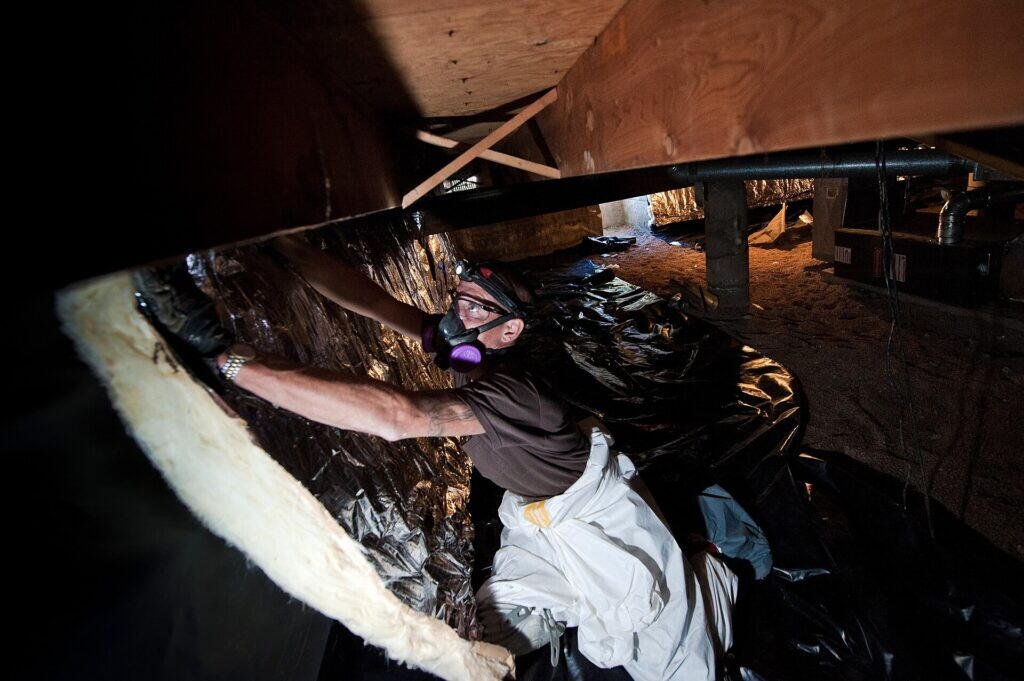
Damp wood does not stay a small problem. Moisture feeds rot, mold and pests, and rotted joists or sinking piers weaken the floor a little more every season. Catching it early usually means a simpler repair.
Signs of a Crawl Space Problem
- A musty smell in the house or at the crawl space door
- Floors that feel soft, bouncy or cold
- Mold, white fuzz or dark stains on joists and subfloor
- Standing water, mud or soggy soil after rain
- Wood that feels soft or crumbles when pressed with a screwdriver
- Sagging, wet insulation or sweating ductwork
- Rising indoor humidity, termites or other pests
Crawl spaces can hold wiring, standing water, mold and animals. If you look inside yourself, wear protective gear and take a flashlight, or leave it to a professional.
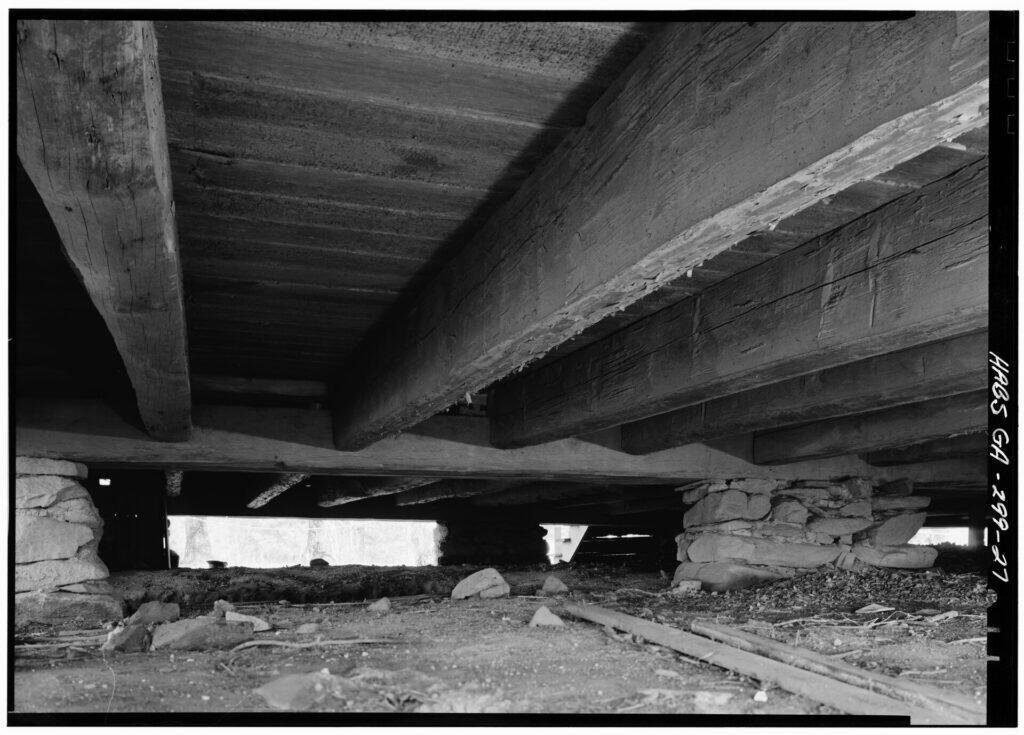
Where Crawl Space Moisture Comes From
A repair works best when it targets the source. A contractor will usually look for more than one.
Ground moisture
Bare soil gives off water vapor all year, and it rises into the wood above.
Rain and runoff
Poor grading, short downspouts and clogged gutters push water toward the foundation.
Humid outside air
Warm, humid air entering through vents can condense on cooler surfaces.
Leaks
Plumbing, HVAC drain lines or a leaking water heater can soak a crawl space quickly.
Common Repair and Moisture Control Options
Most crawl space jobs combine several of these. Your estimate should list each task.
- Vapor barrier: heavy plastic sheeting over the soil, overlapped and sealed, to block ground moisture
- Drainage fixes: gutters, downspout extensions, grading, French drains or a sump pump where water collects
- Encapsulation: sealing vents, lining the floor and walls, and often adding a dehumidifier
- Wood repair: replacing or reinforcing rotted joists, beams and subfloor sections
- Pier and support repair: adjusting or replacing sinking piers
- Insulation and duct repair: replacing wet insulation and fixing ducts that sweat
- Pest checks: a licensed pest control company can inspect for termites
Vents or Encapsulation?
Opinions differ. Traditional crawl spaces rely on vents, but in a humid climate open vents can also bring in moist air, which is why many contractors now seal and condition the space instead. The right choice depends on the home. Ask your contractor which they recommend and why.
What to Expect
Inspect the space
The contractor checks moisture, wood condition, piers, vents, plumbing and drainage.
Find the source
Water sources are traced so the repair addresses the cause, not only the symptoms.
Plan and estimate
You receive a written plan that lists each task and what it covers.
Repair and recheck
Work is completed and moisture levels are checked afterward.
Crawl Spaces in the Baton Rouge Area
Many older neighborhoods around Baton Rouge have raised homes on piers, and the region’s heavy rainfall, humidity and clay soil work against them. Homes that took on floodwater, including during the August 2016 flood, can have wood or insulation that stayed wet for a long time. If you notice odors or soft floors, an inspection is worthwhile even years later.
Moisture and structure are linked under a raised home. Our pier and beam repair page explains how sinking piers and rotting wood are handled, and our foundation drainage page covers keeping rain away from the house.
Crawl Space Questions
Is a damp crawl space a foundation problem?
It can be both. Moisture does not move a foundation by itself, but wet soil and rotting wood can let piers settle and floors sag. Fixing the water and checking the supports together is usually the safest plan.
Will a vapor barrier alone fix it?
Sometimes it is enough for ground moisture. If water also enters from rain, leaks or humid air, a barrier alone will not stop it, so drainage and air control often go along with it.
Should I close my crawl space vents?
Practices differ. Some contractors seal and condition the space, others keep vents open. Ask the contractor to explain the plan for your home, and avoid blocking vents on your own because trapped moisture can make things worse.
How much does crawl space repair cost?
It depends on the size of the space, access, the amount of damage and the method. Fixr’s published national guide lists crawl space foundation repairs at about $2,500 to $12,000, but local quotes vary, so ask for a written estimate that lists each task.
Who can remove mold from a crawl space?
Louisiana’s licensing board requires a mold remediation license for remediation projects valued at $7,500 or more. Ask for the license number and check it with the board before you sign.
Related Services
How sinking piers and sagging floors are repaired.
Move rain away from the house and crawl space.
Get a clear picture of moisture and movement.
Raise and level floors once the cause is addressed.
Sources and Official Resources
About this page: written by the Greet Bless editorial team from general repair practice and the sources listed here. Greet Bless is a referral service, not a contractor, and does not inspect or repair crawl spaces. Last reviewed October 2026.