Mudjacking and Slab Lifting in Baton Rouge, LA
- Free quote request, no obligation to hire
- Sent to a local foundation repair contractor
- Plain-English answers before anyone visits
Request a Free Estimate
It takes about a minute. No obligation to hire anyone.
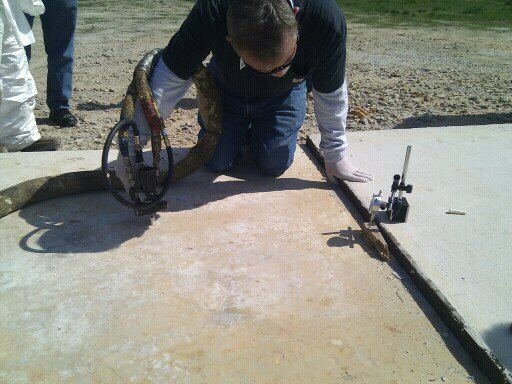
What Is Mudjacking (Slab Jacking)?
Mudjacking, also called slab jacking, raises a sunken concrete slab from below. A crew drills a few small holes through the slab and pumps a slurry or foam into the empty space underneath. The pressure lifts the concrete back toward its original height, the holes are patched, and most surfaces can be used again soon after.
It is used on driveways, sidewalks, patios, pool decks, garage floors, porch slabs and steps. It lifts and supports the concrete. It does not explain why the soil under it moved, which is why a good contractor looks at drainage and soil before pumping anything.
- Raises sunken driveways, walkways and patios
- Fills voids that form under slabs
- Usually keeps your existing concrete in place
- Works best on slabs that are still solid
Mudjacking vs. Polyurethane Foam Lifting
Two materials are common. Which one fits depends on the slab, the soil and the budget, and a contractor should be able to explain the choice.
Cement slurry (traditional mudjacking)
- A mix of soil or sand, cement and water
- Heavier, which can matter on soft soil
- Holes are larger, roughly an inch and a half to two inches
- Often costs less per project
- May need a day or so before heavy loads
Polyurethane foam (polyjacking)
- A lightweight foam that expands under the slab
- Holes are smaller, usually well under an inch
- Cures quickly, often within hours
- Adds very little weight to soft soil
- Often costs more than slurry
Foam is lighter, and Baton Rouge’s soft, wet soil is one reason some contractors prefer it for areas that have already settled once. Slurry can still be a sound choice for large, flat slabs. Ask the contractor to explain why they chose one over the other.
Signs a Slab Needs Lifting
Sunken panels
One section of driveway or walkway sits lower than its neighbor and leaves a step or gap.
Trip hazards
Raised edges on sidewalks, steps or patios catch shoes and are a safety risk.
Water pooling
Rain collects on a patio, garage floor or walkway that used to drain.
Gaps at the house
A slab pulls away from the wall, leaving a gap where water can get in.
Tilted garage floor
The floor slopes toward a corner or the door instead of sitting level.
Hollow sound
Tapping the concrete sounds hollow, which can point to a void underneath.
Why Concrete Sinks Around Baton Rouge
Concrete is heavy, and the soil under it has to carry it evenly. In south Louisiana several things can change that:
- Clay-rich soil that swells in wet weather and shrinks in dry spells
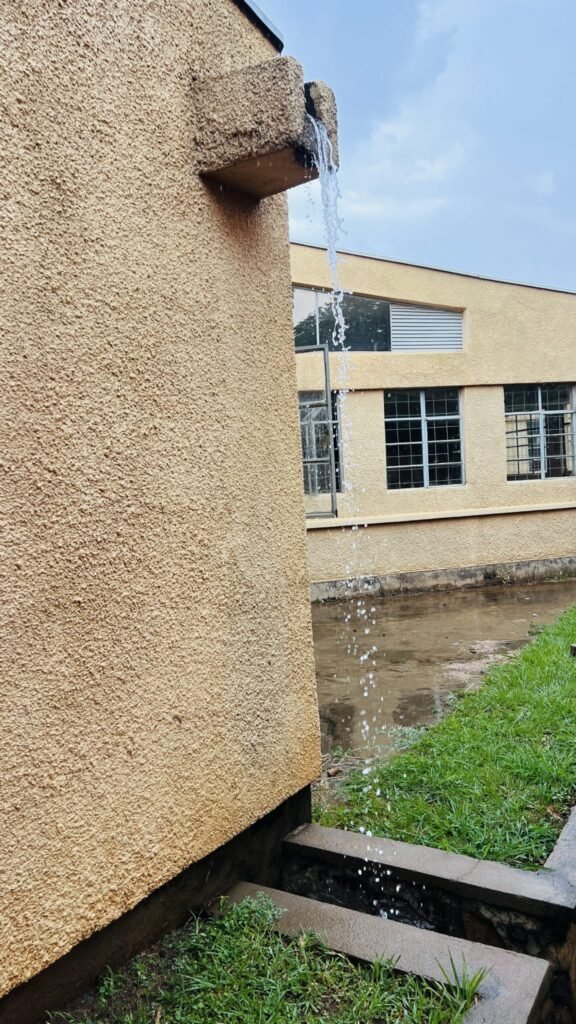
- Water from downspouts or low spots that washes soil out from under a slab
- Poorly compacted fill left behind after construction
- Leaking pipes or drains below the slab
- Tree roots that dry out the soil on one side
If the cause is still there, a lifted slab can settle again. Fixing water flow, as covered on our foundation drainage page, is often part of a lasting repair.
Mudjacking is for slabs, not the structure of the house. If cracks run through brick or drywall, doors stick, or the home’s own foundation is dropping, the fix may need piers instead. Read about slab foundation repair and piering and underpinning, or ask for an inspection first.
How a Slab Lift Works
Inspect and map
The contractor checks which areas sank, how far, and why.
Drill access holes
Small holes are drilled in a pattern across the sunken area.
Pump and lift
Material is pumped in gradually while the slab is watched and leveled.
Patch and finish
Holes are filled, the surface is cleaned, and drainage is reviewed.
What Affects Slab Lifting Cost
Price depends on how much concrete needs lifting, how far it has dropped, the material used and how easy the area is to reach. Large or deeply sunken slabs need more material and more time.
For a rough national reference, Fixr’s 2025 cost guide puts mudjacking and slab jacking at about $500 to $1,900 per job. Local prices vary, so treat that as a starting point and not a quote. A written estimate should name the material, the area to be lifted and what the warranty covers.
Check the contractor
Louisiana’s licensing board requires a Home Improvement Registration for residential work above $7,500 and a residential license above $75,000. Smaller jobs fall below those thresholds, but you can still ask for proof of insurance, references and a written warranty.
Slab Lifting Questions
How soon can I use the concrete after it is lifted?
It depends on the material. Foam generally cures within hours, while slurry may need a day or more before heavy loads such as a vehicle. Your contractor should give you a time frame in writing.
Will the concrete sink again?
It can if the cause is still there. Washed-out soil, leaking pipes or poor drainage can let a slab settle again, so fixing the cause matters as much as the lift itself.
Is lifting cheaper than replacing the concrete?
Often it costs less than breaking out and pouring a new slab, and it avoids demolition and curing time. If the slab is badly cracked or crumbling, replacement may be the better choice. A contractor can tell you after looking at it.
Can mudjacking lift my house?
No. Slab lifting is meant for driveways, walkways, patios and similar concrete. Raising a home’s foundation uses different methods, such as piers. See our house leveling and piering pages.
Can lifting crack the concrete?
A slab that is already weak or cracked can crack further under pressure. Experienced crews lift in small steps and watch the slab as they go, so tell the contractor about any existing cracks.
Related Services
Learn how slab problems are repaired in Baton Rouge homes.
Keep water from washing soil out from under concrete.
Deeper support when the problem is the foundation itself.
Find out whether a slab problem is cosmetic or structural.
Sources and Official Resources
About this page: written by the Greet Bless editorial team from general repair practice and the sources listed here. Greet Bless is a referral service, not a contractor, and does not inspect homes or lift concrete. Last reviewed October 2026.